
Hiring a Drone in Saudi Arabia: What GACA Requires
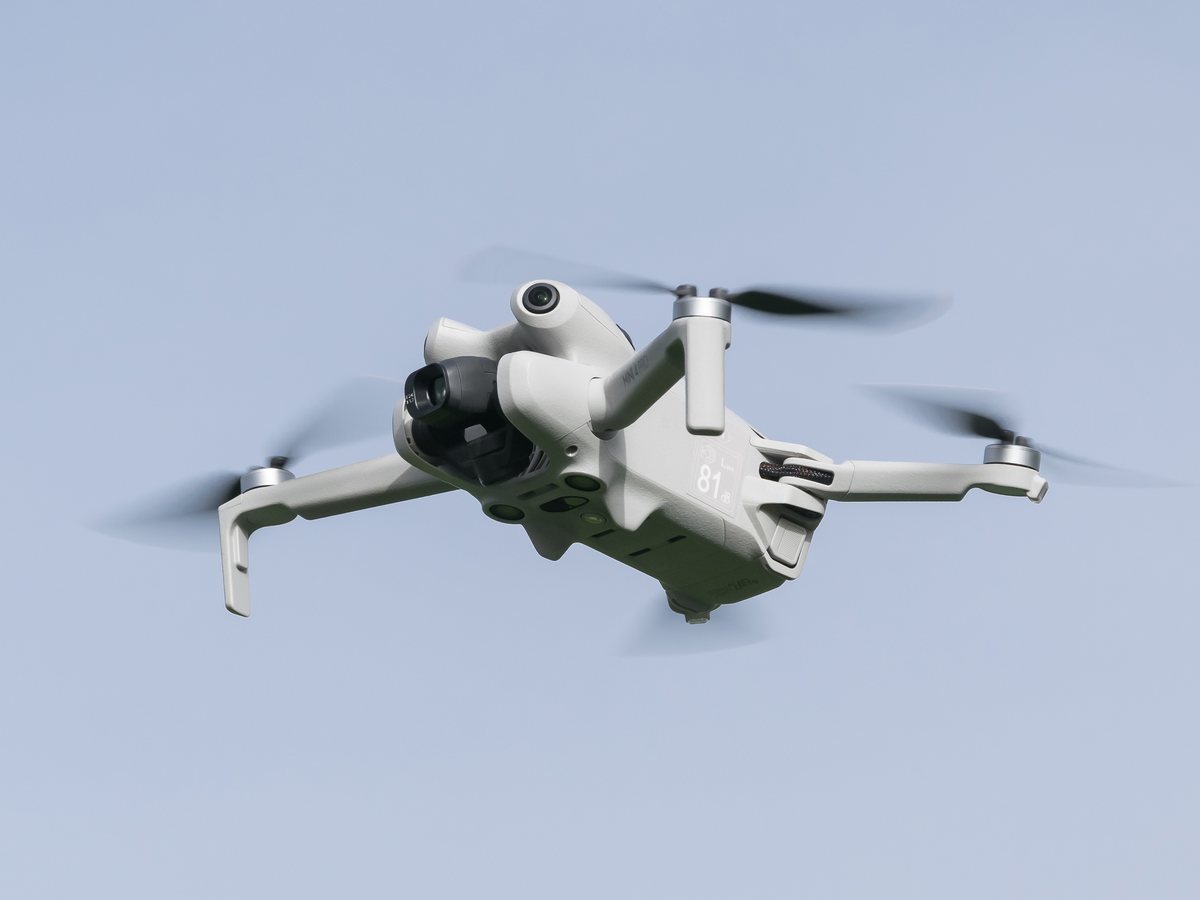
Drones are now a normal part of marketing, construction and inspection work across the Kingdom. But commercial flights are regulated by the General Authority of Civil Aviation (GACA), and as the client you share the risk if your contractor flies outside the rules. Here's a plain-language checklist.
1. The pilot must be certified for commercial work
Flying for a business is different from flying for fun. A commercial operator should hold a GACA remote pilot certificate and operate a drone that is registered through GACA's drone (UAS) services. Ask your provider to show both before you book. A professional operator will have them ready.
2. Location matters
Airports, military sites, government buildings and some industrial facilities are restricted or need extra permission. Even in ordinary neighbourhoods there are limits on altitude and on flying over people. Your operator should check the site in advance and tell you if any approval is needed. Never ask a pilot to "just take off quickly" in a restricted zone.
3. Filming may need its own permit
Some projects, especially commercial video and media productions, can require filming approval in addition to the flight itself. Discuss how the footage will be used (social media, advertising, broadcast) so your provider can advise on what applies.
4. Privacy and safety on the day
A good operator plans the flight path, checks the weather and wind, keeps a safe distance from people and cars, and avoids capturing private homes in a way that intrudes on neighbours. If the wind is too strong, the right answer is to reschedule.
Quick checklist before you book
- Remote pilot certificate (GACA)
- Registered drone
- Site checked for restricted airspace
- Clear plan for how the footage will be used
- Weather backup date agreed
Regulations change. Always confirm the latest requirements on GACA's official website or with your operator. This article is general guidance, not legal advice.